In the automotive world, keeping your engine cool is crucial to ensure optimal performance. A reliable Car Cooling Fan is an essential component that helps maintain the proper temperature of your engine, especially during intense driving conditions. As industry expert Sarah Thompson, a renowned automotive engineer, once stated, "Choosing the right Car Cooling Fan can prevent costly repairs and enhance engine longevity."
Many vehicle owners overlook the importance of a quality cooling fan. This can lead to overheating, reduced efficiency, and even engine damage. It’s vital to select a fan that fits your vehicle's specifications and cooling needs. Options vary widely and can confuse many drivers. Collaborating with professionals may be necessary to navigate the choices.
Investing time in understanding how a Car Cooling Fan operates can lead to smarter choices. Not all fans are created equal, and sometimes cheaper models can compromise performance. Reflection on your vehicle’s requirements is essential. The right Car Cooling Fan can be the difference between smooth drives and unexpected breakdowns.
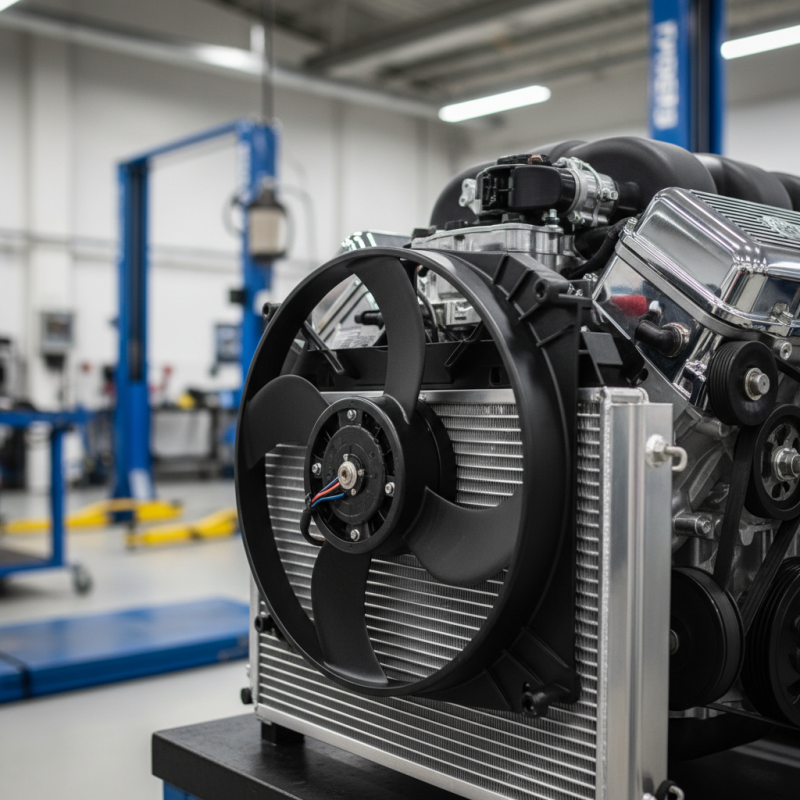
Maintaining optimal engine temperatures is crucial for vehicle performance. Effective car cooling fans play a vital role in this process. According to a 2022 industry report, effective engine cooling can enhance fuel efficiency by up to 15%. This improvement is especially significant for drivers who frequently navigate stop-and-go traffic, where engines may generate excessive heat.
Choosing the right cooling fan involves considering several factors such as size, airflow rating, and mounting type. Data from automotive studies indicate that a fan with an airflow rating above 2,000 CFM (cubic feet per minute) can effectively cool larger engines. However, many vehicle owners often overlook the importance of regular maintenance. Worn or dirty fans can decrease efficiency significantly, sometimes by as much as 30%.
Furthermore, the right fan placement is essential. Improper positioning can lead to uneven cooling, causing engine hotspots. In some cases, drivers have reported overheating issues despite having seemingly adequate fan systems. It's imperative to assess not just the fan quality, but also compatibility with your vehicle’s design. Recognizing the complexity of cooling systems aids in making informed choices, emphasizing the importance of both knowledge and appropriate product selection.
Engine cooling fans play a crucial role in maintaining optimal temperatures within modern vehicles. A well-functioning cooling system ensures that the engine does not overheat, prolonging its life and promoting efficiency. Research indicates that approximately 30% of engine failures are attributed to overheating. This highlights the importance of reliable cooling fans in preventing costly repairs and ensuring vehicle reliability.
Cooling fans are typically activated at specific temperature thresholds. They help dissipate heat generated by the engine and other components. Interestingly, some advanced models utilize variable-speed technology, which adjusts fan speed based on engine temperature. Recent studies show that these systems can enhance fuel efficiency by up to 5%, a significant figure in today's economy-driven market.
Despite technological advancements, many drivers remain unaware of their vehicles' cooling systems. Routine maintenance for cooling fans is often overlooked. A recent survey revealed that only 45% of drivers check their cooling systems regularly. This lack of attention can lead to reduced performance and increased emissions. Understanding the importance of these components is crucial for every vehicle owner.
| Fan Type | Cooling Capacity (CFM) | Power Consumption (W) | Noise Level (dB) | Material |
|---|---|---|---|---|
| Electric Fan | 2000 | 80 | 45 | Plastic |
| Mechanical Fan | 1500 | None (belt-driven) | 50 | Metal |
| Dual Electric Fan | 3000 | 120 | 40 | Plastic |
| High-Performance Fan | 2500 | 100 | 35 | Composite |
| Radiator Fan | 2200 | 85 | 42 | Aluminum |
| Puller Fan | 1800 | 70 | 48 | Plastic |
| Pusher Fan | 2100 | 90 | 47 | Metal |
| Variable Speed Fan | 2400 | 110 | 38 | Composite |
| Compact Fan | 1600 | 60 | 44 | Plastic |
| Slim Fan | 1900 | 75 | 43 | Aluminum |
When selecting a car cooling fan, it's essential to focus on key features. The fan's diameter plays a crucial role. Larger fans can move more air, helping maintain optimal engine temperatures. A compact size may fit better in limited spaces, but it may sacrifice efficiency.
Another factor to consider is the cooling capacity. Look for fans with higher CFM (Cubic Feet per Minute) ratings. This number indicates how much air the fan can push. Fans with adjustable speeds provide flexibility, allowing you to adapt to changing conditions. Some users find this feature adds convenience during varying driving conditions.
You should also evaluate noise levels. A quieter fan can enhance the driving experience. A fan that operates loudly might distract from your focus on the road. Consider durability and materials. Fans made from high-quality materials last longer and withstand engine heat. Not all fans meet these standards. Some owners report issues with short lifespans and poor performance. Taking time to research user reviews can uncover potential shortcomings in certain models.
When comparing electric and mechanical cooling fans, distinct advantages and disadvantages emerge. Electric fans operate on demand, activated only when needed. This feature promotes fuel efficiency because the engine does not need to work as hard. However, the reliance on electrical systems can sometimes lead to failures. If the battery is weak or the electrical connections are faulty, performance suffers.
Mechanical fans, on the other hand, provide a constant airflow. These fans are directly linked to the engine's crankshaft. They provide consistent cooling under high-load conditions, which can be a significant advantage for drivers pushing their engines to the limit. Yet, mechanical fans can lead to increased fuel consumption. They run continuously, which may create a drag on engine performance.
Some drawbacks can impede both systems. Electric fans may not offer sufficient cooling during high-speed driving because airflow is minimized. Conversely, mechanical fans can be less effective when the engine runs at low speeds, leaving the engine vulnerable to overheating. Understanding these trade-offs helps drivers make informed choices on what type of cooling system best suits their needs.
Engine overheating remains a critical issue in the automotive industry. Statistics show that more than 20% of vehicle breakdowns result from overheating engines. This not only affects vehicle performance but also imposes significant repair costs. Fan efficiency plays a vital role in preventing such issues. According to recent studies, the proper functioning of cooling fans can lower engine temperatures by up to 30%. This reduction can prolong engine life and enhance overall performance.
Understanding fan efficiency metrics is essential for vehicle owners. A report by the Society of Automotive Engineers reveals that many cooling fans operate at less than optimal levels. More than 15% of cooling systems fail to provide adequate airflow, leading to inefficient heat dissipation. Proper maintenance and the use of high-quality cooling fans can mitigate these problems. Regular checks can ensure that the fan operates within the desired range, keeping engine temperatures stable.
Additionally, real-world data indicates that almost 25% of drivers do not realize their cooling fan's impact. This lack of awareness can lead to preventable overheating issues. Investing time in understanding fan specifications can be beneficial. Knowledge of airflow ratings and power consumption is crucial. Ignoring these elements can harm not only the engine but the entire vehicle system.
: Engine cooling fans maintain optimal temperatures to prevent overheating and ensure efficiency.
Overheating can lead to engine failures, accounting for about 30% of such incidents.
They can enhance fuel efficiency by adjusting fan speed based on engine temperature.
Many drivers are unaware of its importance, with only 45% checking their systems regularly.
Key features include diameter, cooling capacity, noise levels, and durability.
Larger fans typically move more air, maintaining better engine temperatures.
They adapt to changing conditions, providing more efficient cooling when needed.
Quieter fans improve focus, while loud fans can be distracting and uncomfortable.
Reviews reveal potential issues like short lifespans and poor performance in some models.
Low-quality materials often lead to durability issues and reduced performance.
In the quest for optimal engine temperature management, selecting the right Car Cooling Fan is crucial. This article explores the top ten options for car cooling fans, emphasizing their importance in modern vehicles to prevent engine overheating. The significance of cooling fans cannot be overstated, as they play a pivotal role in maintaining efficient engine performance and longevity.
Key features to consider when choosing a Car Cooling Fan include the fan type, size, and efficiency metrics. A comparative analysis of electric versus mechanical cooling fans highlights their respective advantages and potential downsides. Industry statistics underline the prevalence of engine overheating issues and the impact of effective cooling fan systems. By understanding these factors, vehicle owners can make informed decisions to enhance their engine cooling systems and overall vehicle reliability.

Yate Auto